Gisela Albrecht · 26 October 2026
Root Networks in Estuarine Zones Drive Unexpected Shifts in Local Biodiversity Patterns
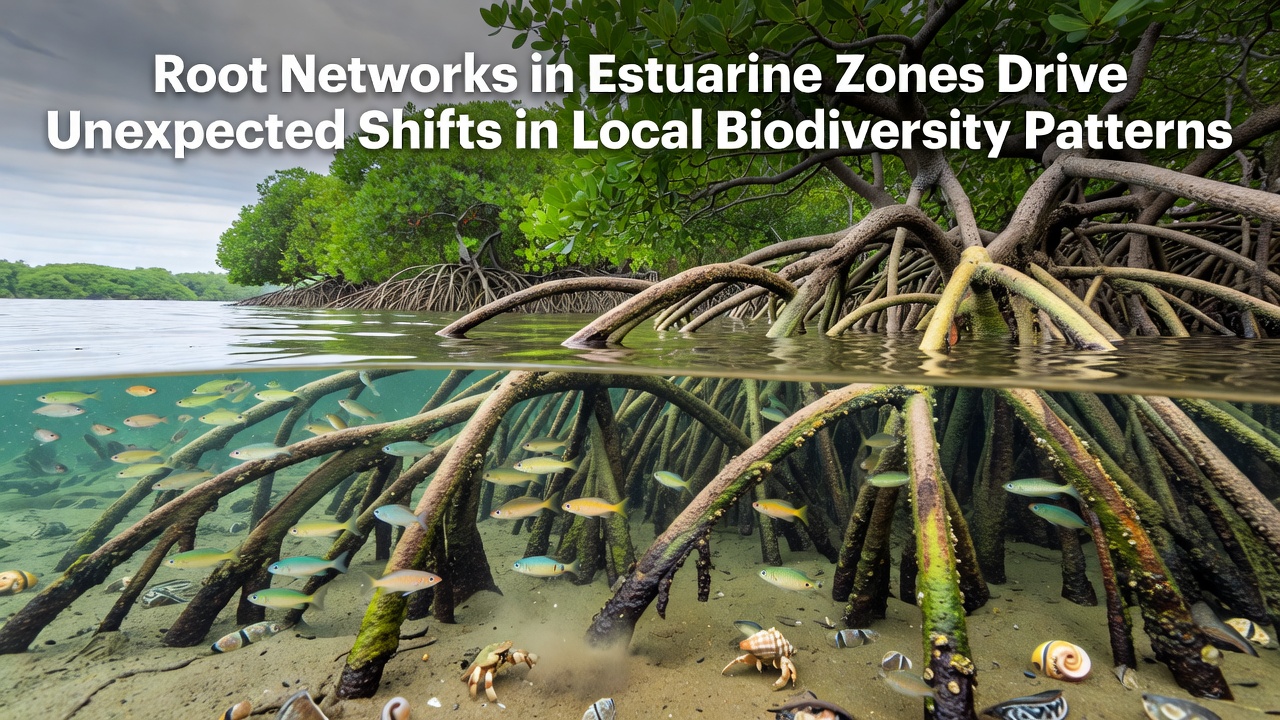
Estuarine zones where freshwater meets saltwater host intricate root networks from plants such as mangroves, cordgrass, and sedges, and these structures shape biodiversity in ways that extend beyond simple habitat provision. Research indicates that the physical architecture and chemical exudates from these roots alter soil conditions, nutrient flows, and microbial communities, which in turn influence which species colonize or decline in the area. Observers note that the resulting patterns often deviate from traditional models of estuarine ecology because root-driven changes can favor certain invertebrates or fish while reducing others in unexpected proportions.
Root Architecture and Its Role in Habitat Modification
Roots in these environments form dense mats that trap sediment and create microtopographic variations, and this process generates pockets of varying salinity and oxygen levels that support distinct assemblages of organisms. Studies from multiple coastal monitoring programs show that finer root branches increase surface area for bacterial attachment, leading to localized nitrogen transformations that benefit some algae species over others. Those who've examined core samples from sites in the Chesapeake Bay and the Murray River estuary find that root density correlates with shifts in polychaete worm populations, where certain burrowing species thrive in the aerated zones while surface dwellers diminish.
Data collected through long-term sampling reveals that these networks also release organic compounds that affect pH and metal availability in the sediment, and such chemical gradients can suppress invasive plant spread in some locations while permitting native marsh species to expand. Researchers discovered that the timing of root growth during seasonal cycles amplifies these effects, creating windows when biodiversity responds rapidly to new root extensions.
Documented Biodiversity Responses Across Regions
Patterns emerging from field surveys indicate that estuarine root networks contribute to higher functional diversity among microbes and meiofauna, yet they sometimes reduce overall species richness when dominant root types outcompete less competitive plants. In Pacific Northwest estuaries, monitoring teams recorded increased abundance of certain amphipods and reduced numbers of mollusks following expansion of particular sedge root systems. Similar observations from European coastal sites show parallel trends where root exudates alter diatom communities, which then cascade into changes for grazing snails and small crustaceans.
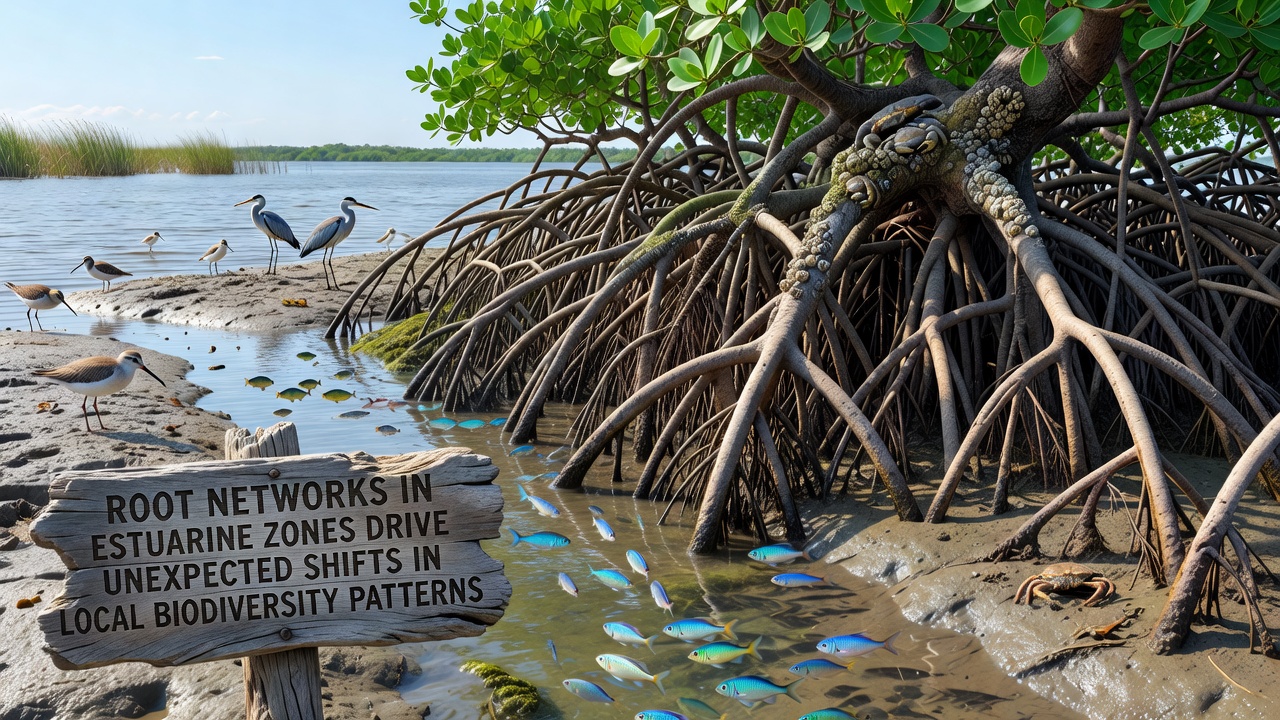
One study released in October 2026 by an international collaboration tracking 12 estuaries documented that root network expansion preceded measurable declines in migratory bird foraging success in 40 percent of sampled areas, because shifts in invertebrate prey altered food availability during peak migration periods. Figures from that project highlight how root-induced sediment oxygenation favors anaerobic-tolerant species in deeper layers while limiting aerobic ones near the surface.
Interactions with External Environmental Drivers
Climate-related variables such as sea level rise and altered precipitation interact with root networks to produce compounded effects on biodiversity, and models incorporating root data predict more variable outcomes than those relying solely on tidal or salinity metrics. According to reports from Australia's CSIRO, root network responses to increased flooding events accelerated transitions toward salt-tolerant microbial groups in several southeastern estuaries during recent years. In parallel, Environment and Climate Change Canada data from Atlantic sites indicate that root-mediated nutrient retention can buffer against eutrophication-driven biodiversity loss in some marshes while exacerbating it in others depending on local hydrology.
Those monitoring these systems emphasize that root networks do not act in isolation, because their influence on biodiversity emerges through synergies with upstream land use and downstream ocean conditions. Evidence suggests that restoration projects incorporating diverse root-forming species achieve more stable biodiversity trajectories than those focused on single plant types.
Implications for Future Monitoring and Management
Agencies responsible for coastal management now incorporate root network metrics into biodiversity assessments because traditional surveys miss the belowground drivers of observed changes. Ongoing programs in the United States through NOAA integrate root imaging with species counts to refine predictive tools, and similar efforts in New Zealand combine soil core analysis with genetic sequencing of root-associated microbes. These approaches help identify thresholds where root expansion triggers rapid biodiversity reorganization, allowing earlier intervention in at-risk estuaries.
Conclusion
Root networks in estuarine zones continue to reveal their capacity to drive biodiversity patterns that challenge prior assumptions about how these ecosystems function. Information gathered across continents demonstrates consistent links between root characteristics and species composition shifts, and integration of these findings into broader environmental frameworks supports more accurate forecasting of future conditions. As data collection expands through coordinated international efforts, the role of these subterranean structures in shaping estuarine life becomes increasingly clear.